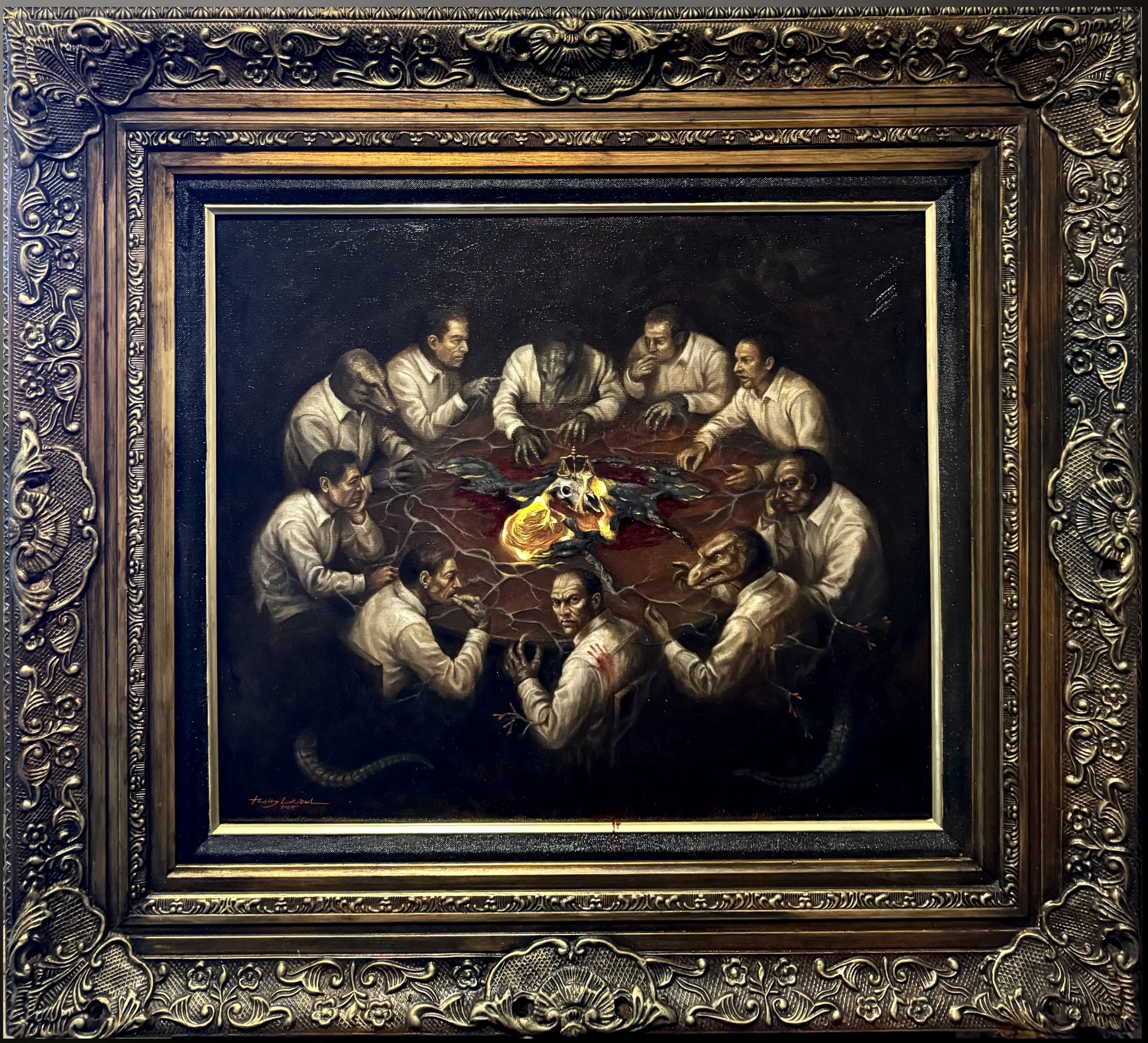
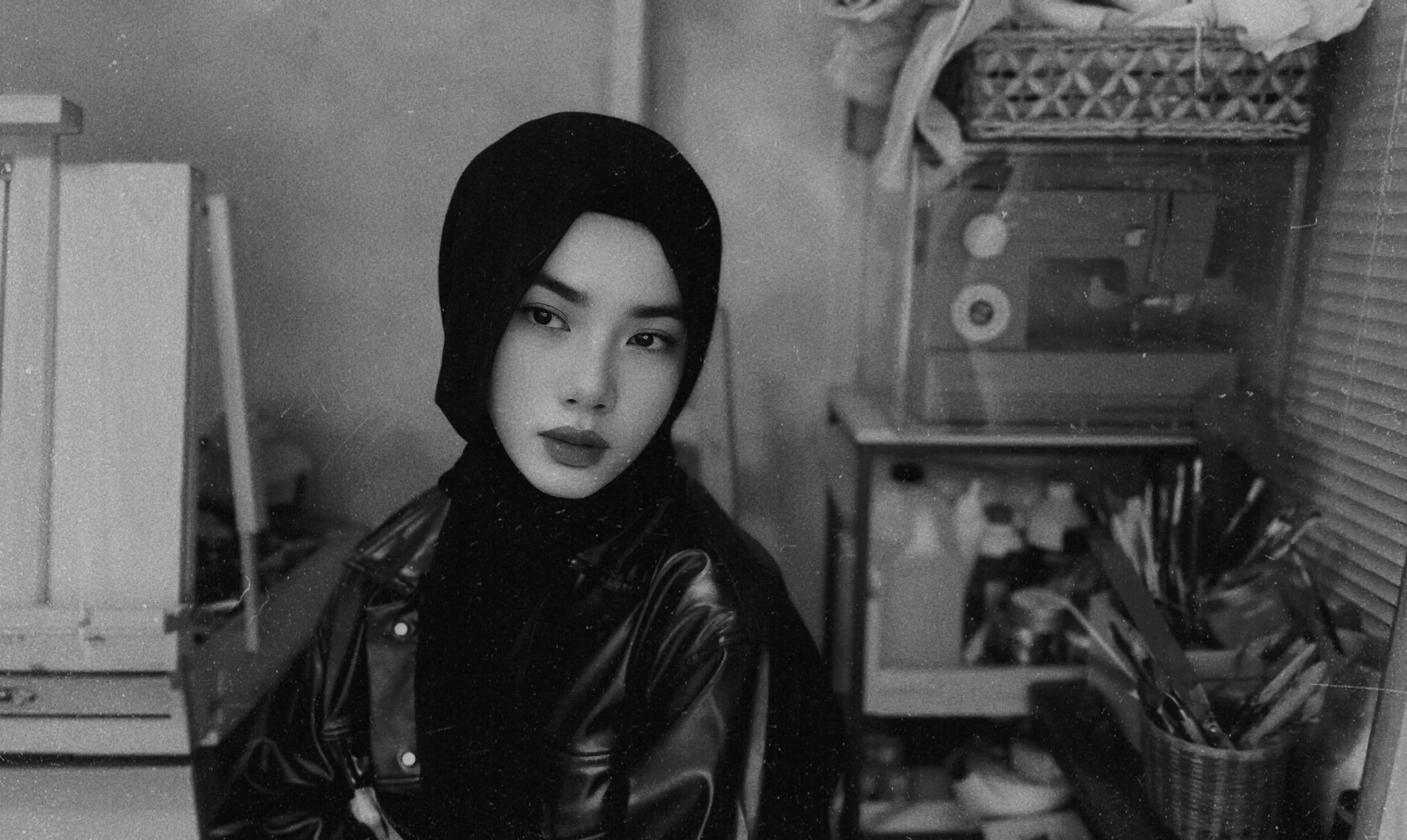
Mudzhatty “Thatty” Lakibul
is a Tausug traditional oil painter born on March 1990 in Jolo, Sulu, Philippines, where she lives and works.
Raised in a culturally rich yet often underrepresented environment, her practice is rooted in both personal experience as a contemporary Moro woman and the collective memory of her people.
Although she earned a degree in Nursing from Notre Dame of Jolo College, she chose painting as her channel for storytelling, self-reflection, and cultural advocacy.
Alongside her artistic practice, she currently works as an Administrative Aide at the Sulu Provincial Governor’s Office.
Features
Sulu Provincial Governor’s Publication
GSIS Annual Art Competition 2021
Semi-Finalist in Sining Filipina 2026
Exhibits
2019
Brewing Art, Brewing Culture: The Archipelago and the Peninsula
2022
Tausug Visual Artists Now at NCCA Gallery, Intramuros
2023
Contiempo Plazos 2nd Anniversary Art Exhibition
2024
Threads of the South at OMVI Art Gallery, Tagaytay
Upsurging in a Contemporary World at Mindanao Art, SM Lanang Davao
2025
Untitled at Mindanao Art
Sagwan: A Gathering of Zamboanga and Cebu Artists at Garden Orchid Hotel
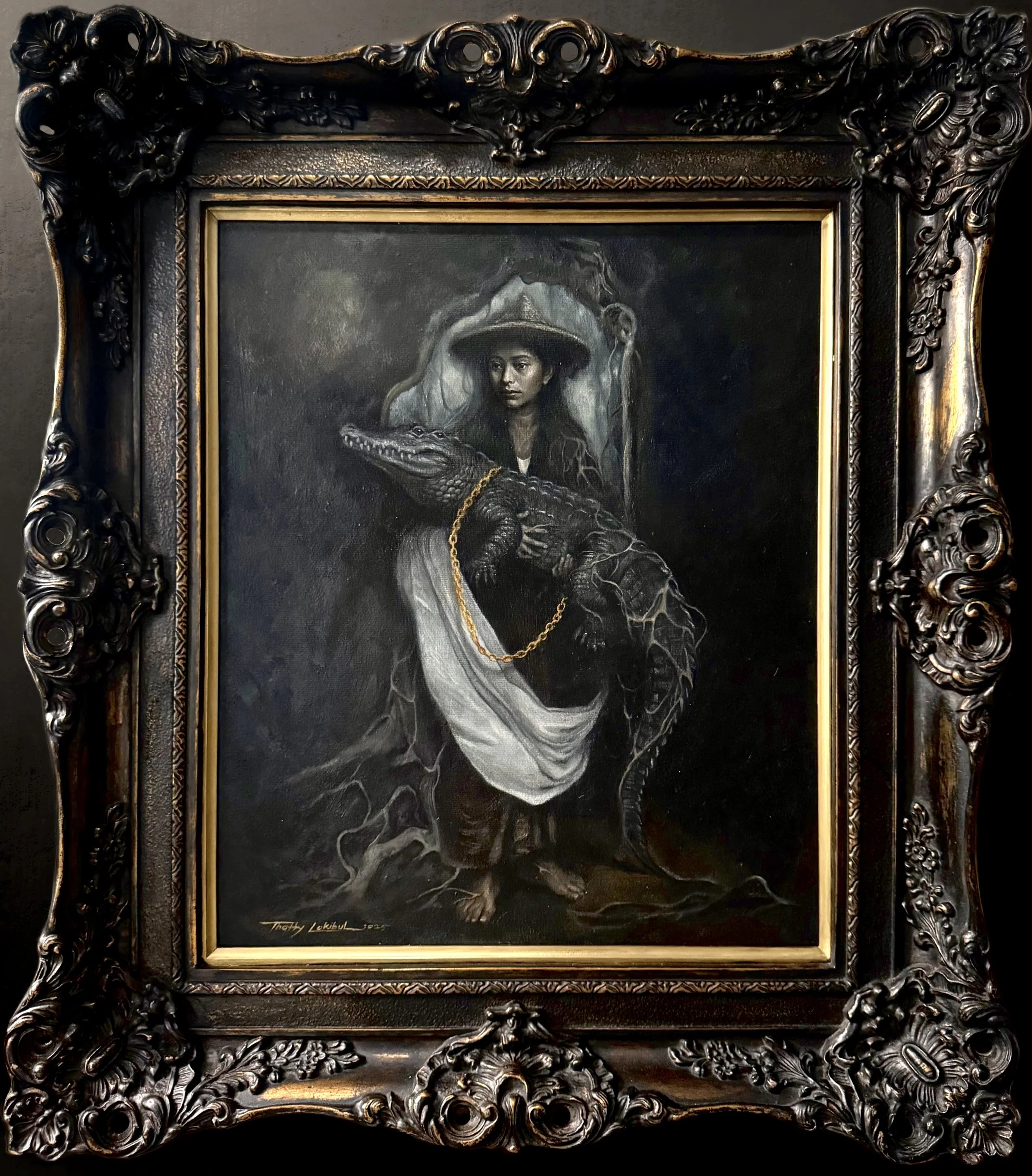
Centering on the tension between modern Tausug identity amidst the larger Philippine nation and ancestral memory that draws from the oral traditions of the Sultanate era, the intricate framing of her works depicting flourishes normally associated with European sensibilities actually exposes its Indo-Iranian roots that traveled into the Sulu archipelago and throughout the lands of modern Western empires.
The roots of such aesthetics have largely been lost in the mass consciousness. Thus, the emergence of roots and branches from her subjects become a recurring element in her paintings. In effect, these portraits are a response to ongoing attempts at cultural submission.
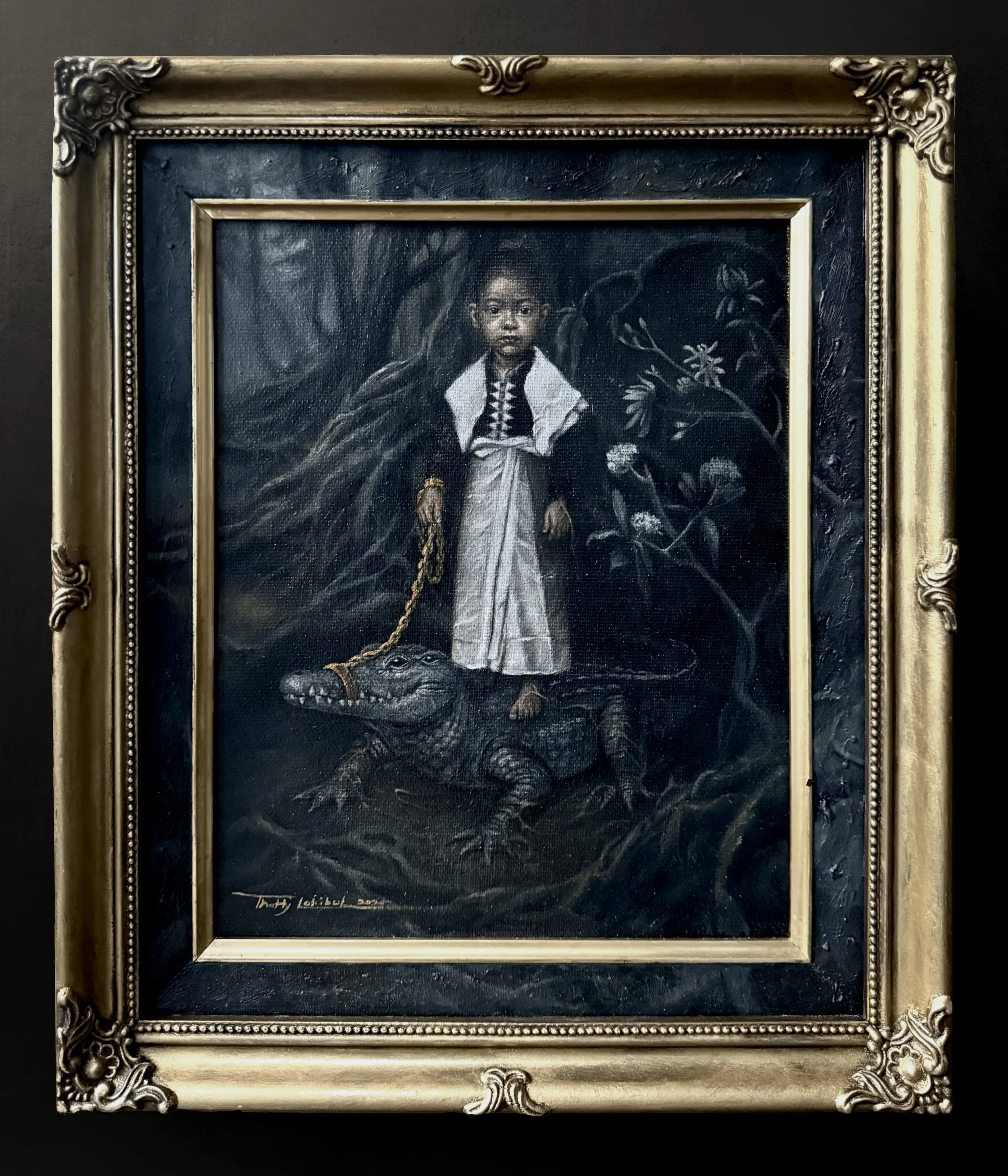
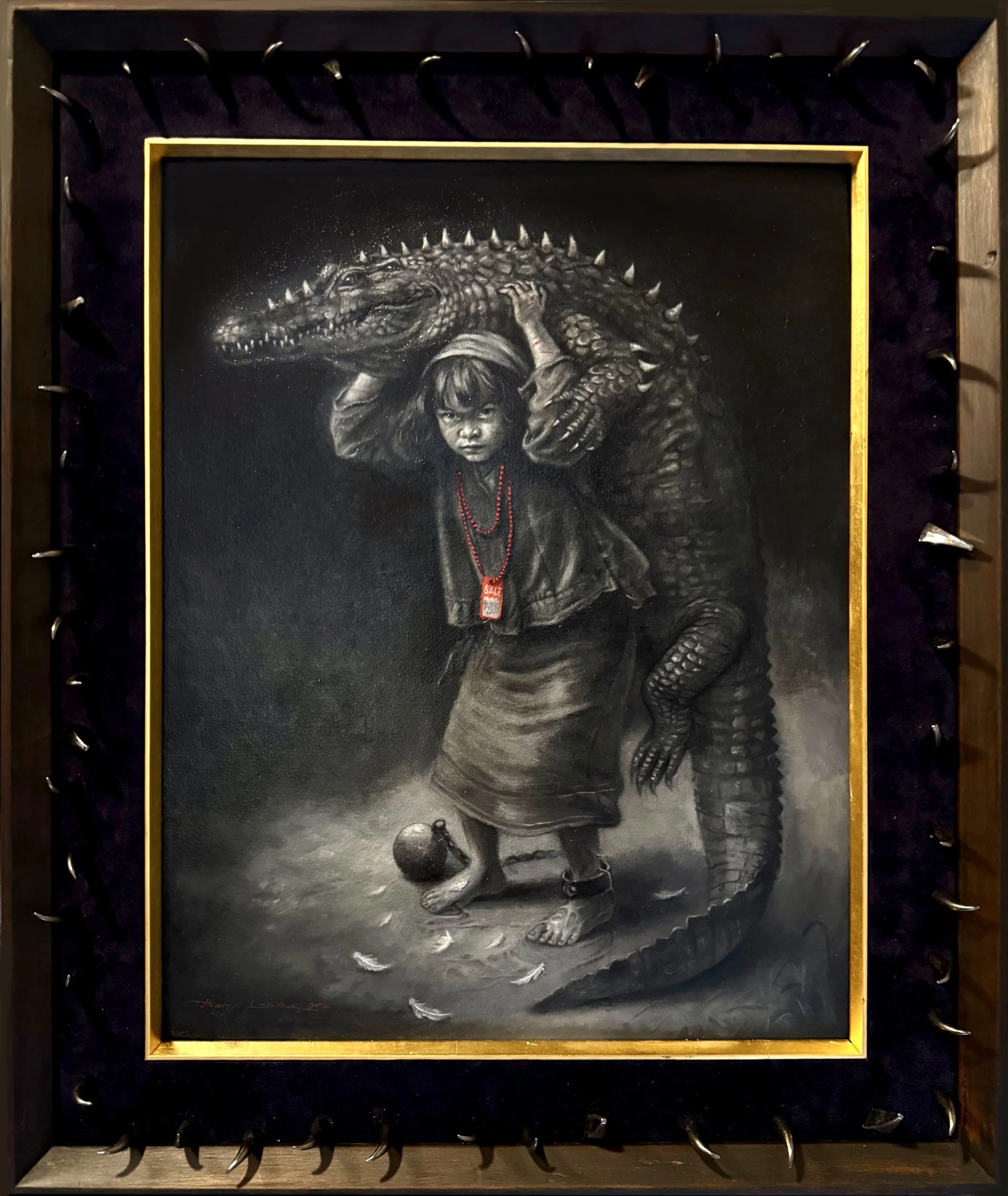
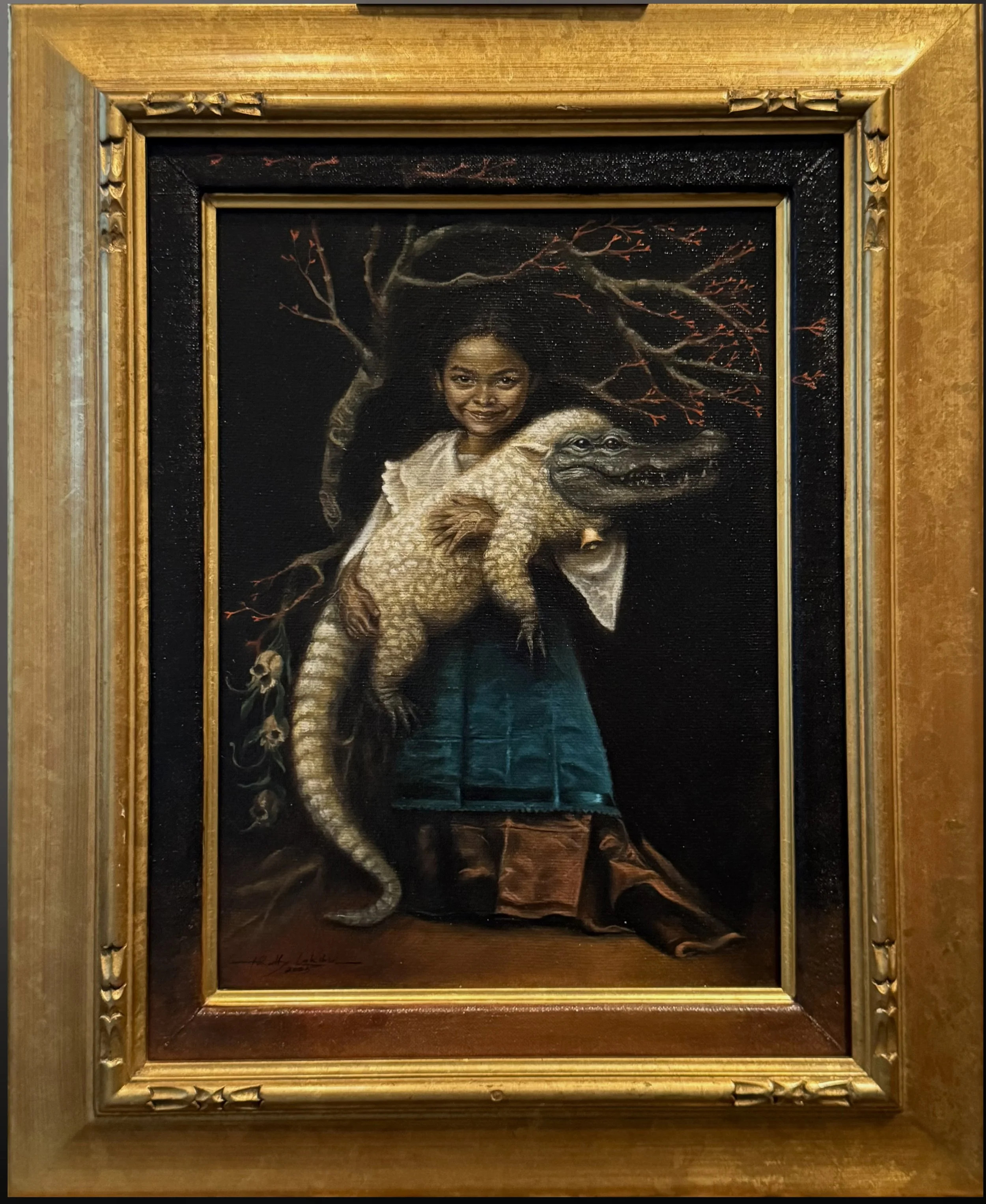
Her work highlights the experience of socio-economic oppression through the constant presence of multi-eyed reptiles. Yet, these animals are tamed by the young individuals in her works, showcasing defiance against these grim and threatening circumstances.
Portraying collective struggles as a consequence of painful inherited histories, the images project a clear declaration of her identity.
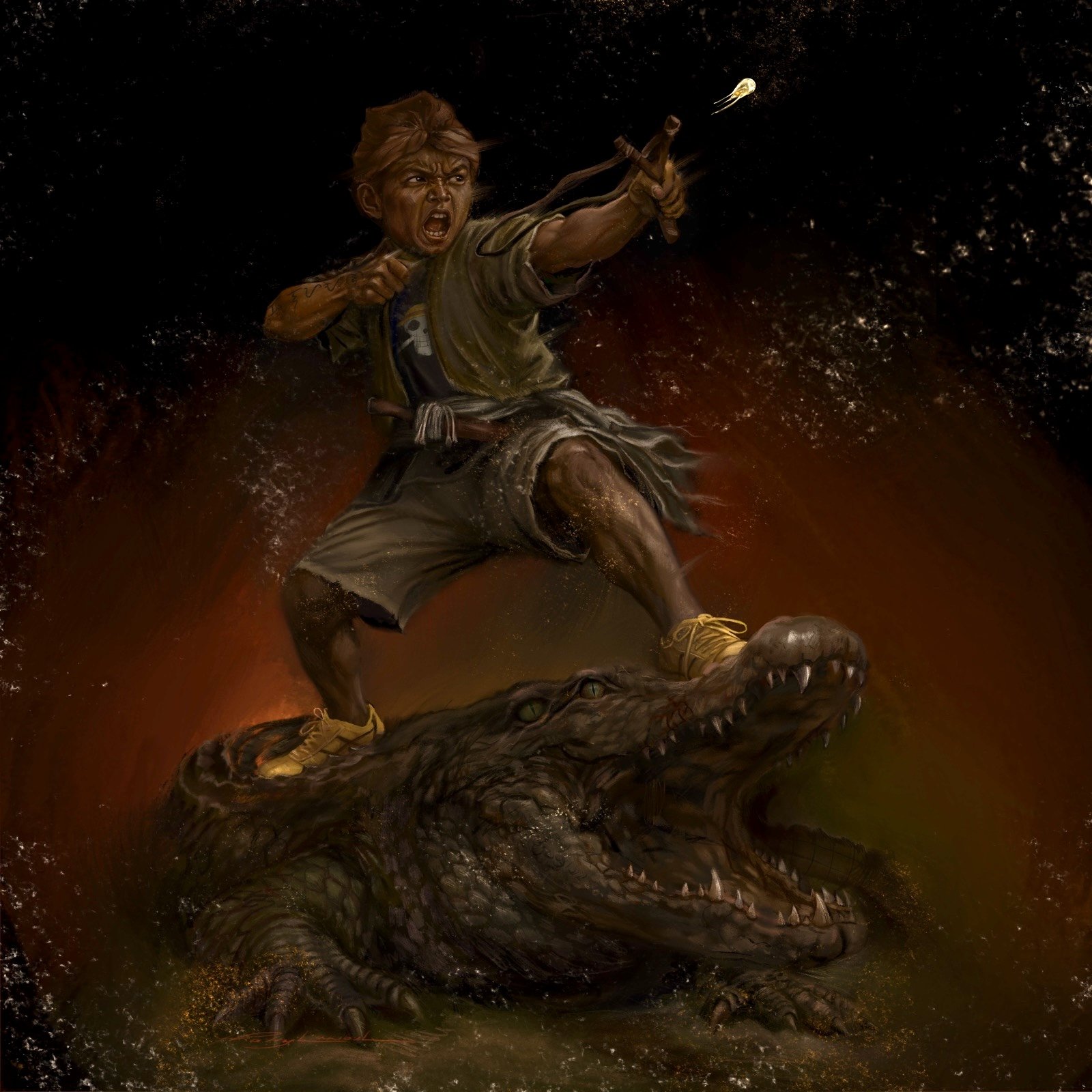
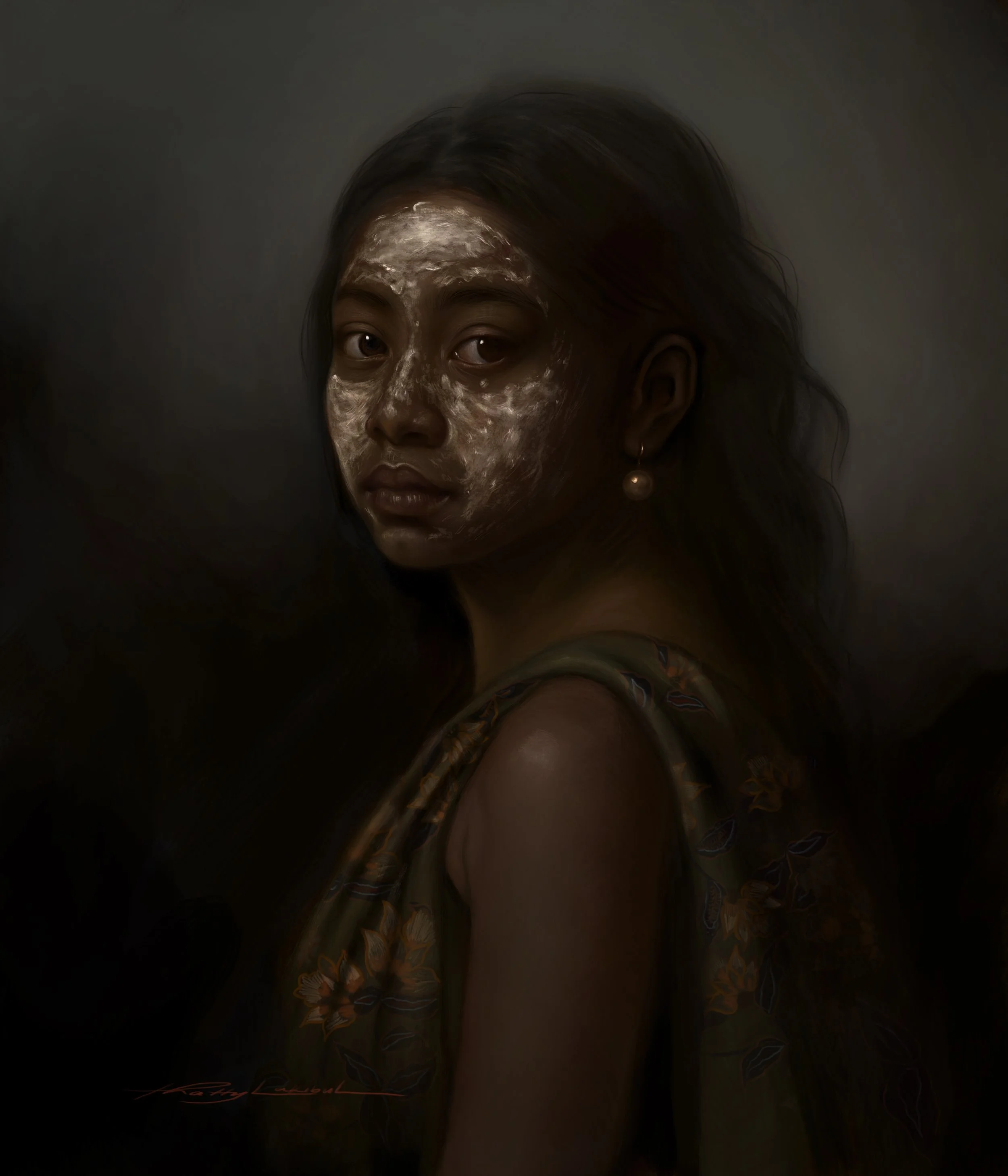
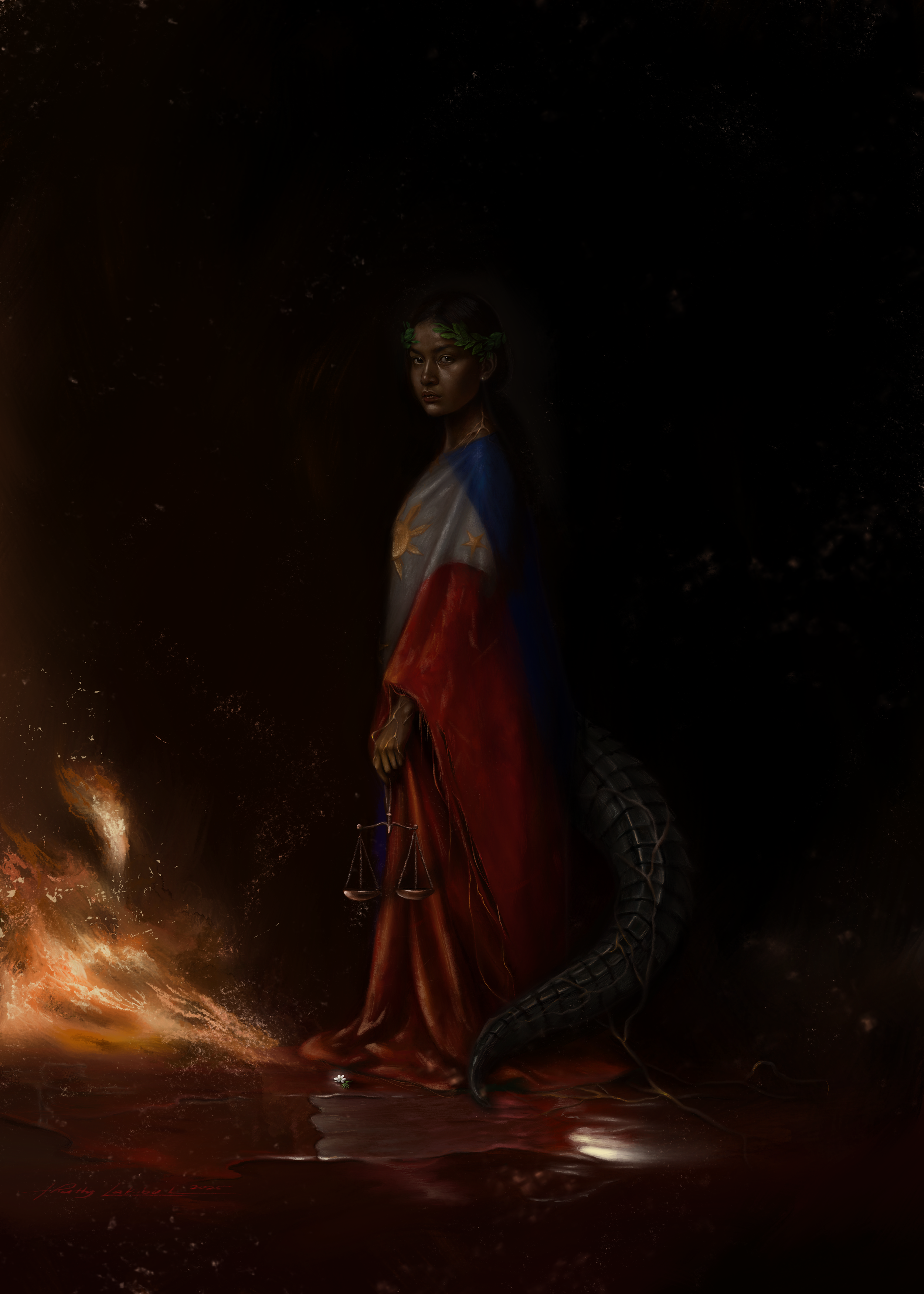
As a sharp reflection of herself, these portraits pose a blatant challenge to viewers: