What does it mean to have a place to return to?
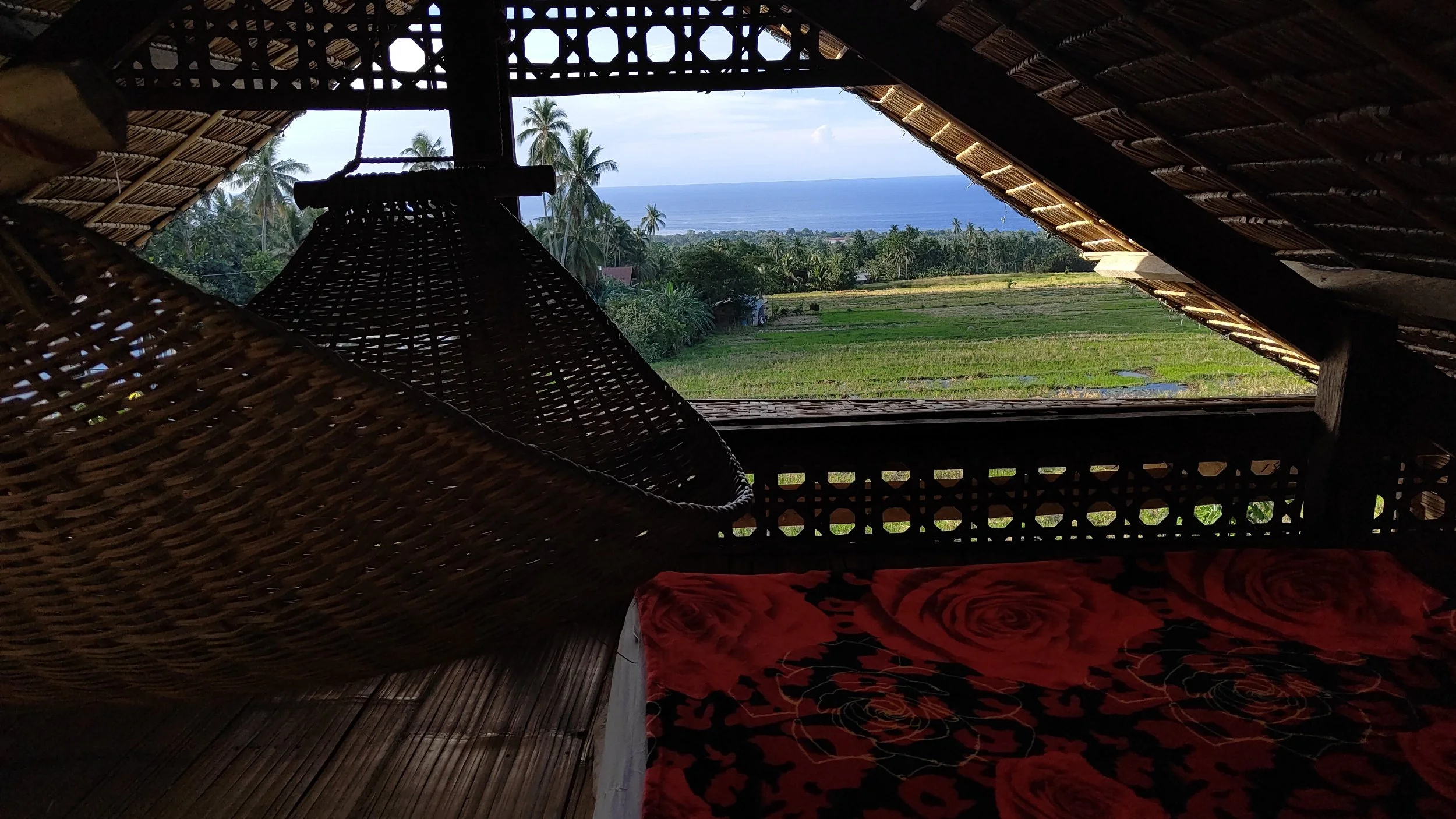
It is fundamental to most living creatures to create their nests.
Some choose to remain in their chosen spot for the entirety of their lives.
Others leave for better resources, or to seek new horizons.
Either way, the definition of “home” is adaptable.
For migrants specifically, one could feel caught in a flux. There is confusion in being wala diri, wala didto (not here nor there).
As cliché as it sounds, I learned that home was within me all along. My own journey as a migrant within the Philippines from Manila to Mindanao necessitated much internal adjustment, deconstruction of set mentalities, and humility to become a learner once again. Parts of me had to transform, and alienation turned into familiarity as I listened and processed all the things in my new environments.
For the diaspora at large, the issue is more adamant. The pain felt from realizing that there was something left behind is immense.
But if you can take a page from me, I can assure you that this disposition can be alleviated, as it is simply a disconnection.
Spiritual lines do not disappear. They simply become illegible or invisible. If one is brave or curious enough to grasp it, the line shall begin to glow once more.
You can hold multiple truths at once: that home is the space that you were raised in, and home could be a place you feel within you that is still yet to be explored.
One can feel like they have returned to a place they’ve never physically been to. One can also learn to make a home in a world different from the one they came from.
But one has to be mindful of their new environment to avoid the mistakes of the colonial era.
Don't you agree?
~ Nikki
